Most mid-market eCommerce businesses have eighteen to twenty-five SaaS subscriptions running against the eCommerce operation. Storefront, payment processors, inventory management, order management, customer service, marketing automation, email, SMS, loyalty, reviews, analytics, tax automation, shipping, returns, marketplace integration, advertising platforms, attribution. Each was added to solve a specific problem. None was retired when the problem went away.
The audit nobody runs would consolidate the stack to eight to twelve subscriptions and recover twenty-five to forty percent of annual SaaS spend. The framework is three buckets.
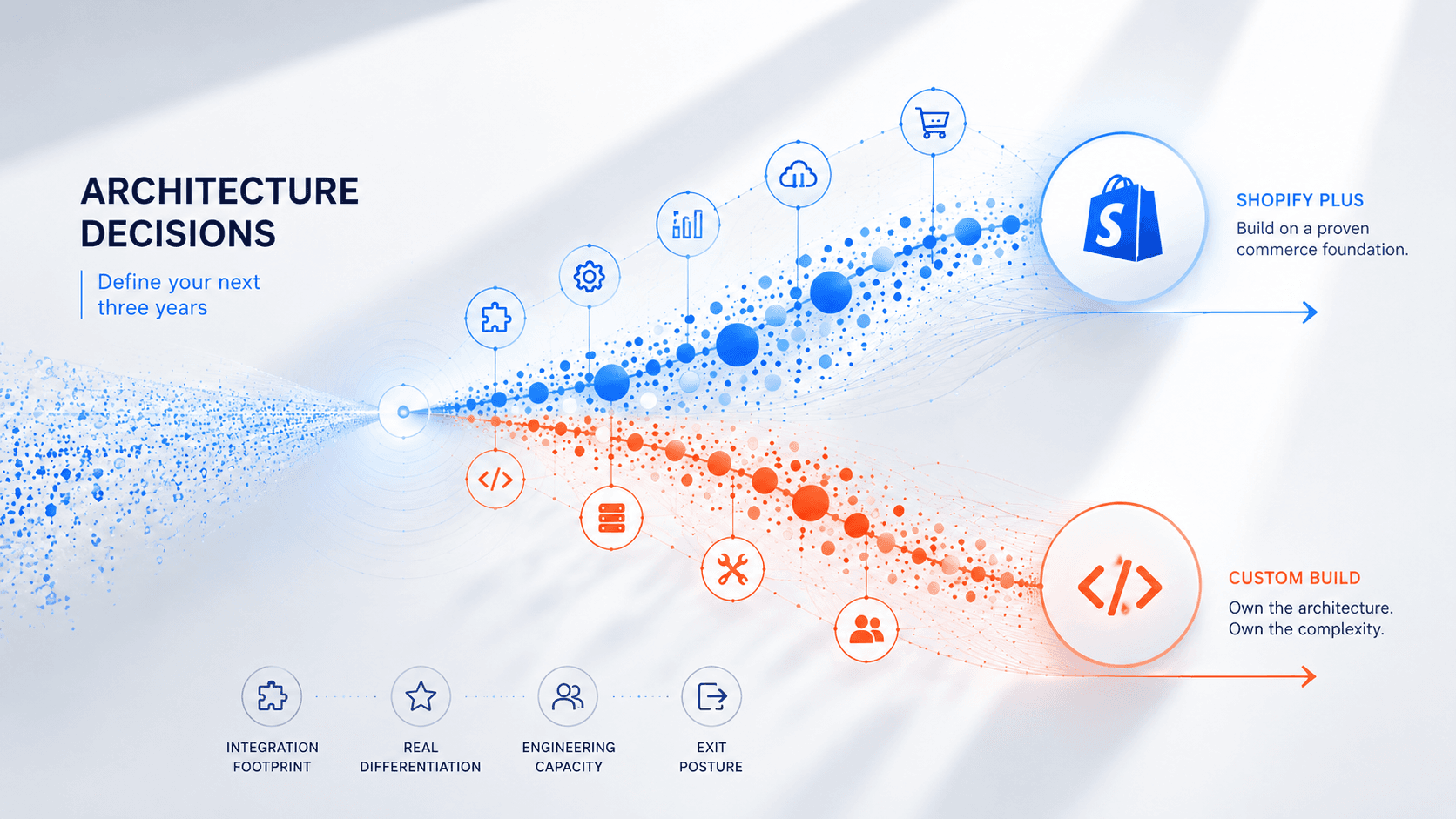
Bucket one — keep (the core). The subscriptions where the business has standardized, the team is fluent, and the platform integrates with the broader stack. The storefront (Shopify Plus or comparable), the ERP, the payment processor, the marketing automation platform, the email platform, the analytics platform. These are load-bearing systems. The audit confirms they are configured correctly and licensing is right-sized.
Bucket two — replace (the overlapping). The subscriptions that overlap with the core. The standalone email tool when the marketing automation platform sends email. The standalone reviews tool when the storefront has native reviews. The standalone analytics tool when the broader analytics platform covers the use case. These get evaluated for elimination. Most can go without operational disruption.
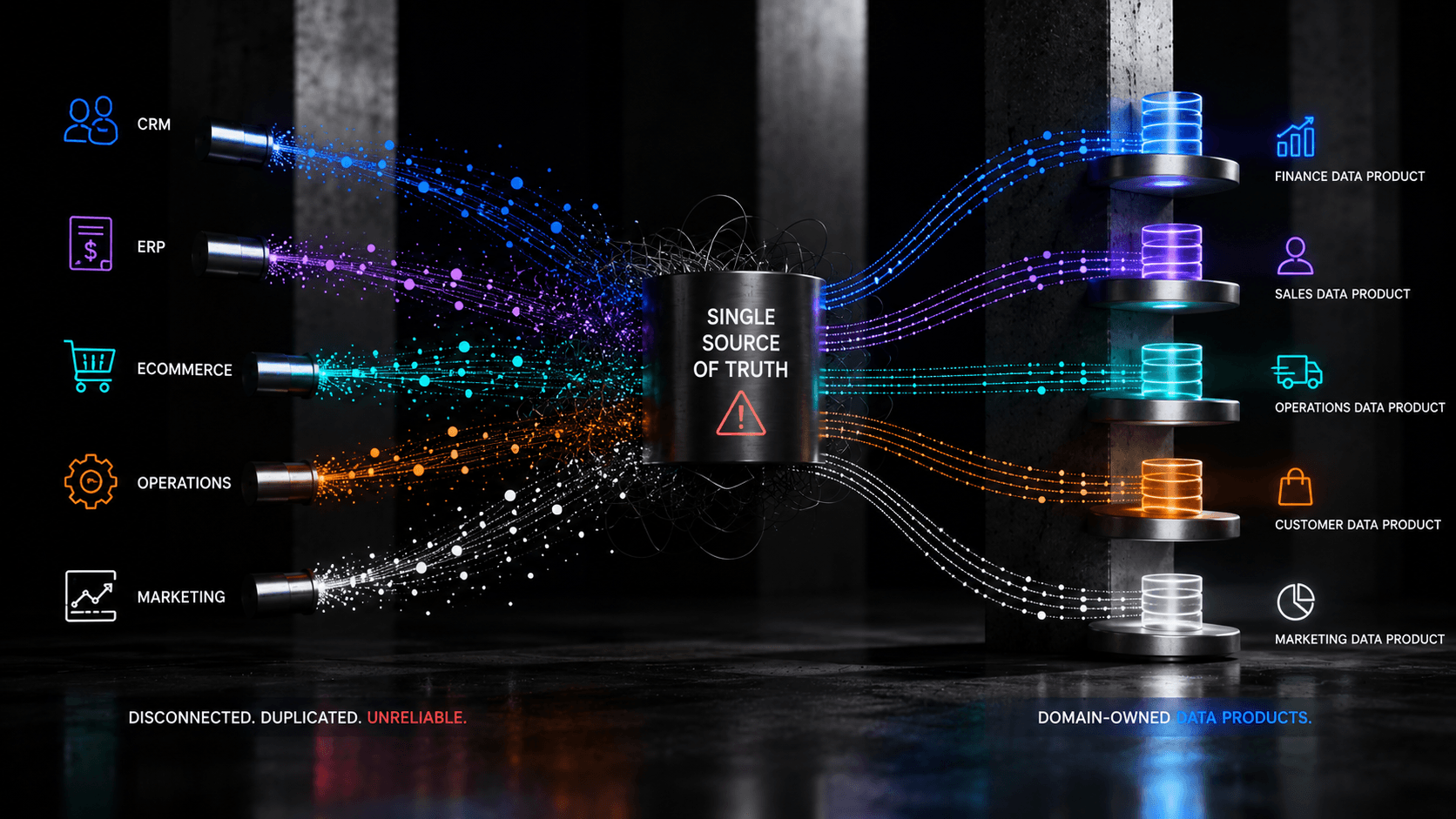
Bucket three — integrate (the fragmented). The subscriptions doing critical work but operating in isolation. The shipping tool that does not feed the ERP. The returns tool that does not connect to customer service. The loyalty platform that does not share data with marketing automation. These do not get eliminated — they get integrated. Integration work is typically two to six weeks per system and pays back in operational efficiency.
Across the eCommerce engagements where I have run this audit, the typical mid-market business identifies six to ten subscriptions in "replace" and four to eight in "integrate." The annual cost reduction from elimination alone typically runs eighty thousand to two hundred fifty thousand dollars at this scale. The operational complexity reduction is harder to measure and usually more valuable.
If your eCommerce business is paying for more than fifteen distinct SaaS subscriptions against the same operation, the audit is overdue. The four-week project typically recovers more than it costs in the first year of post-audit operations.