Enterprise procurement security questionnaires are growing in length and rigor, not shrinking. The 200-question form from 2022 is now often a 400-question form with sub-questions and documentation requirements. SMBs selling into enterprise procurement increasingly lose deals not because the product or pricing failed — but because the security questionnaire took eight weeks to complete and the procurement team moved on.
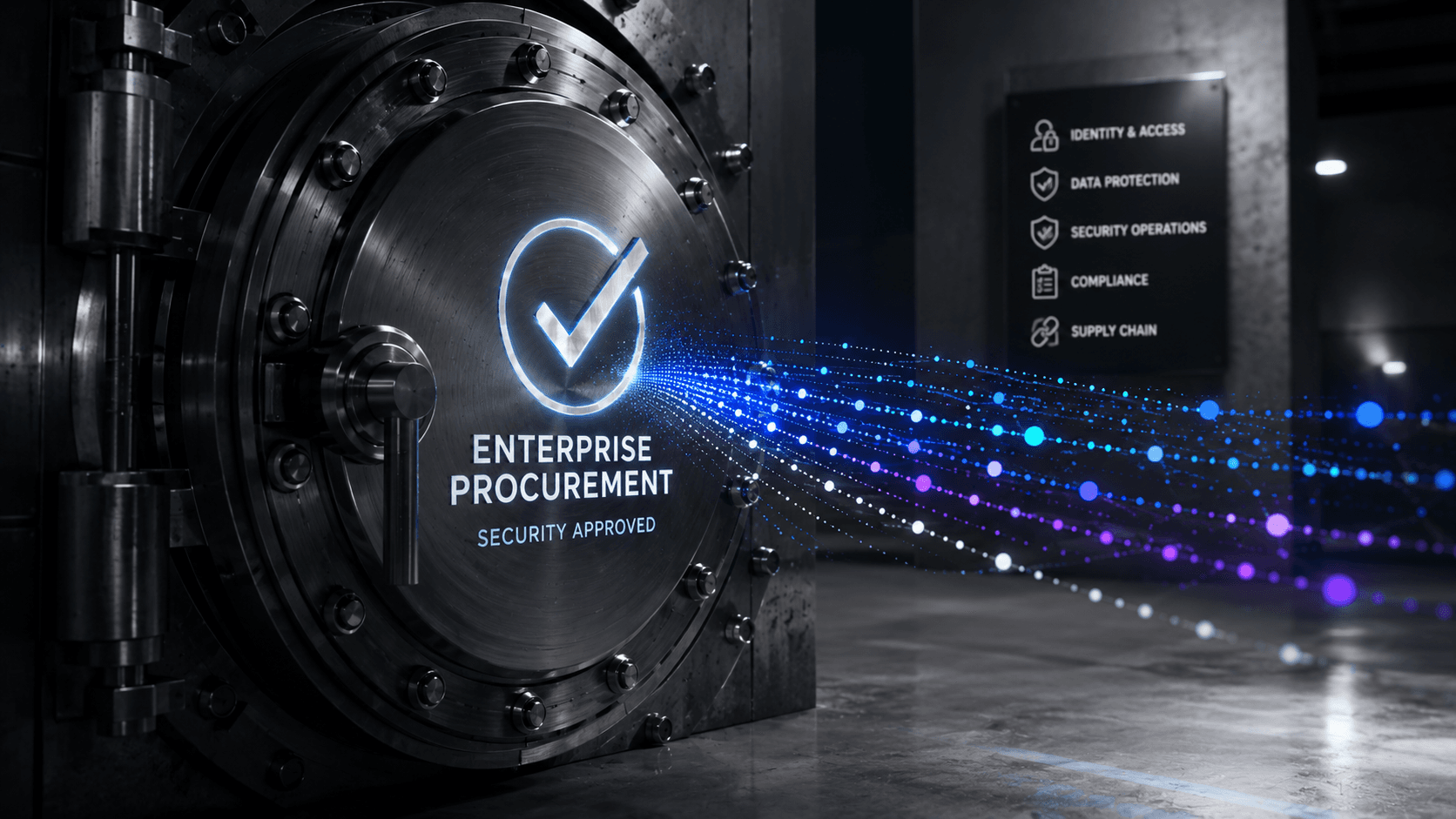
The questionnaire that the procurement team is grading you on has five sections that actually matter.
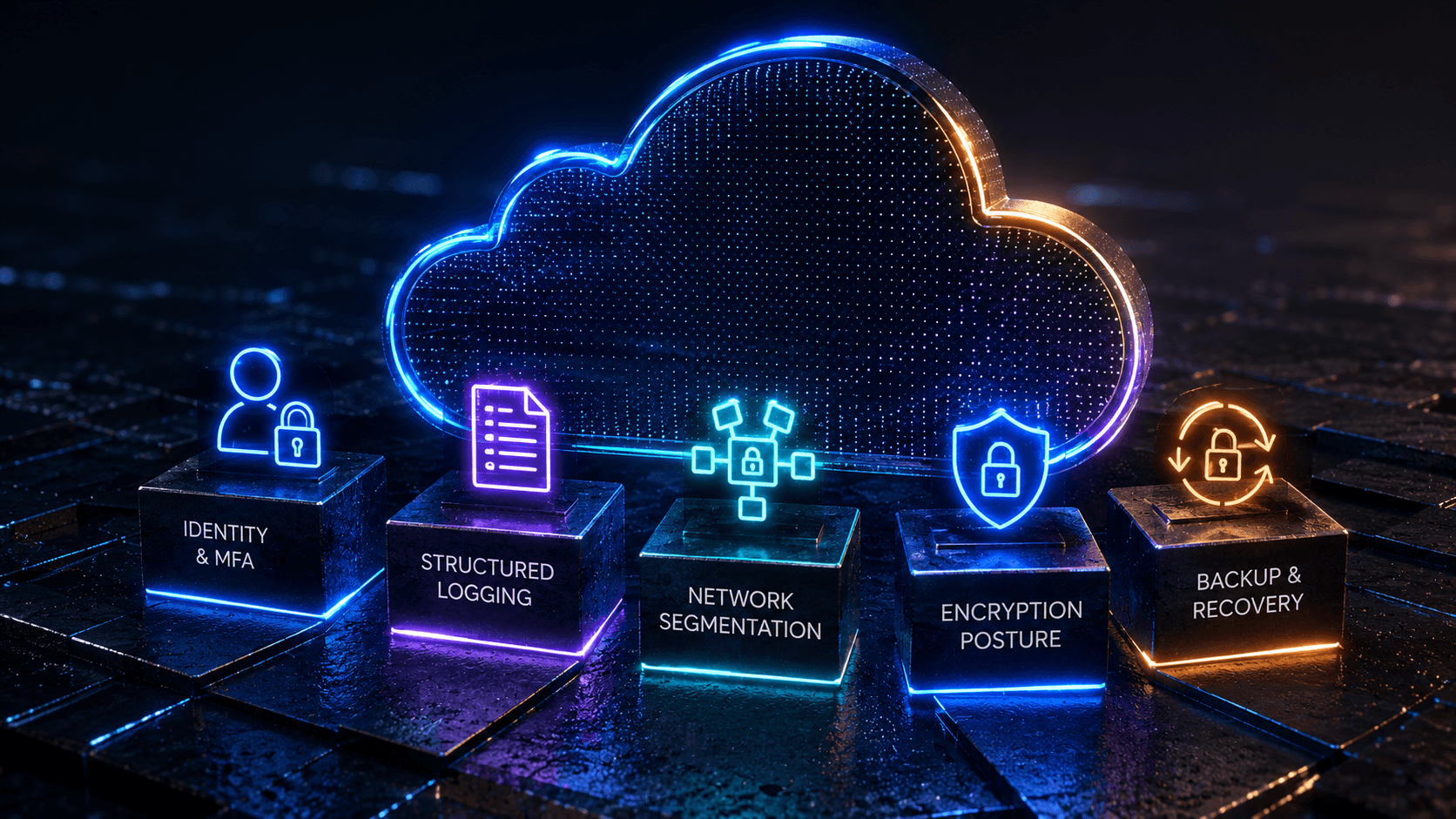
Section one — identity and access management. MFA enforcement, privileged access controls, joiner-mover-leaver process, access review cadence. This section is roughly thirty percent of the form. Answers should reference specific systems (Azure AD, Okta), specific policies (conditional access requirements), and specific cadences (quarterly access reviews documented). Vague answers — "we have appropriate controls" — fail this section.
Section two — data protection and encryption. Encryption at rest, encryption in transit, key management, data classification, data handling procedures. The procurement team is looking for specifics: what encryption algorithms, where keys are stored, how access to keys is controlled.
Section three — security operations. SIEM or log management, EDR deployment, MDR coverage hours, incident response plan, breach notification procedures. The section asks for SLAs and metrics, not just confirmations.
Section four — compliance and certifications. SOC 2 Type 2 (most enterprise procurement increasingly requires Type 2, not Type 1), ISO 27001 where relevant, industry-specific certifications (HIPAA, PCI). The procurement team will request the actual report under NDA, not just the certification claim.
Section five — vendor and supply chain management. How you assess your own vendors, how you track third-party risk, what your fourth-party (your vendors' vendors) posture is. This section is the newest addition to enterprise procurement forms and the most commonly fumbled.
Across the engagements where I have advised on enterprise procurement readiness, the businesses that completed the questionnaire in five business days with documentation attached typically won the deals they would have lost on timing alone. The businesses that took six to eight weeks usually saw the buyer move to a competitor with better procurement responsiveness.
The questionnaire is no longer a back-office formality. It is increasingly the procurement decision itself.
If your sales team is reporting deals lost in security review and you do not have a pre-built questionnaire response package, the next deal will be lost on the same gap.
Filed under