Part of: Why your month-end close keeps getting slower
I have been brought in to salvage 4 enterprise AI pilots in the last 24 months.
The model was working in all 4.
Official cause of death in each case: "the technology wasn't ready."
Actual cause: nobody owned the translation layer between the model and the operation.
Here is what that gap looks like in practice:
A model can read an invoice and extract fields. What it cannot do — without explicit instruction — is know that your GL uses three different account codes for the same transaction type depending on which entity posts it. Or that exceptions below $500 auto-approve regardless of confidence score. Or that vendor ID 4471 routes to a different approval chain than every other vendor in the system.
That operational logic lives in someone's head. It has never been documented. The vendor doesn't know it exists. The IT team assumes finance owns it. Finance assumes IT is handling it.
The pilot runs. Match rate comes back at 58%. The committee declares the technology unready. The model was ready on day one.
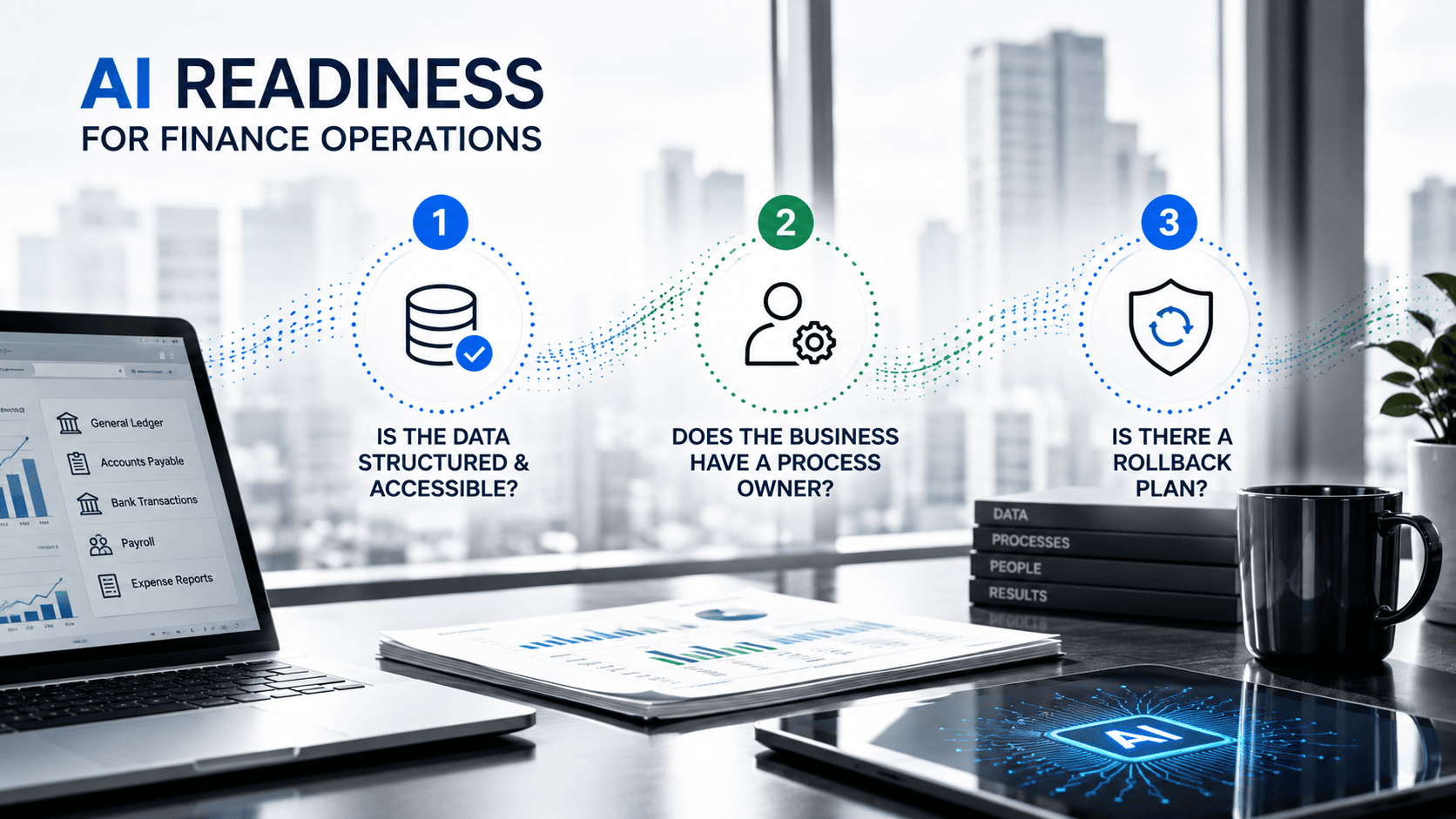
The surviving 5% did one thing differently: they assigned a single person whose job was to translate operational logic into model specifications before the pilot started. Not a prompt engineer. Not a data scientist. An operator who understood the finance workflow and what the model required to function inside it.
In every successful deployment I have run, that translation work took 4–6 weeks before a single model was touched. The 95% skip it entirely and wonder why the demo never becomes a production system.
The bottleneck in enterprise AI has never been intelligence.
It has always been translation.
#EnterpriseAI #CFO #FinanceTransformation